
The Best Tools to Create Coffee Art: A Guide for Coffee Lovers
(Full Disclosure)
If you’ve ever admired a beautifully crafted latte and thought, “I wish I could do that at home,” you’re not alone.
Many coffee lovers and aspiring home baristas search for the best tools for coffee art, only to feel overwhelmed by the options.
When I first started experimenting with latte art, I had no idea which gear actually made a difference. As a longtime coffee enthusiast who’s spent years brewing, testing, and learning, I’ve discovered which tools truly help you level up your coffee game.
So if you are just starting or want to sharpen your skills, this guide will walk you through the must-haves for creating café-quality art at home.
Ready to pour like a pro? Let’s dive in.
Essential Tools: From Frothers to Latte Pens
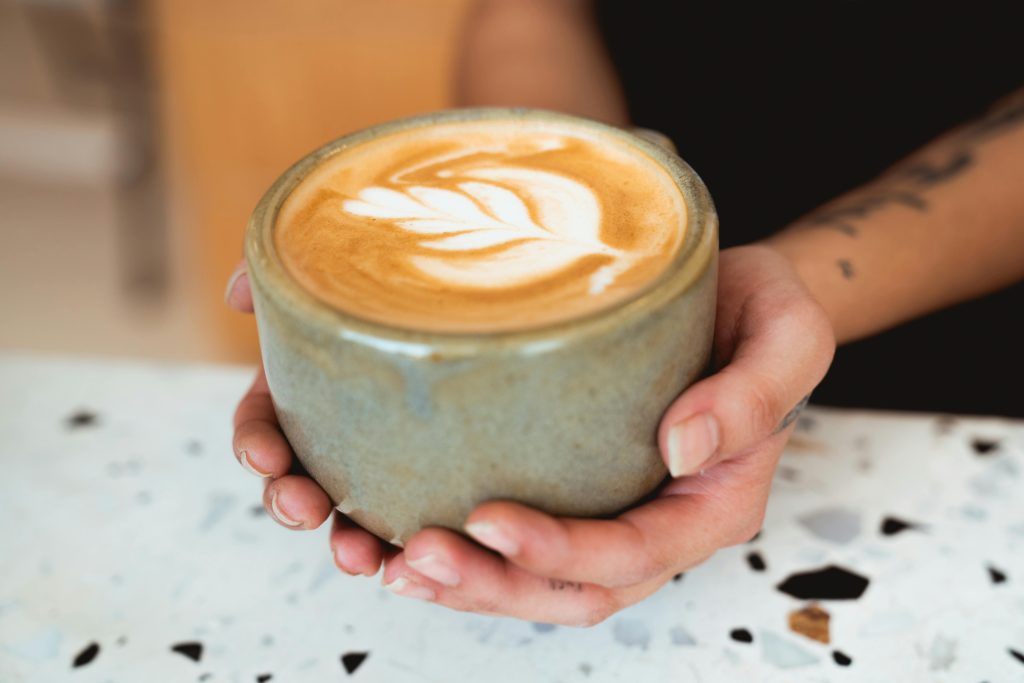
Espresso Machine
The foundation of any coffee art creation is a good espresso shot.
An espresso machine is essential for making a strong and flavorful base for latte art.
Look for a machine with a good steam wand and a consistent temperature control to ensure the perfect shot every time.
Steam Wand
A steam wand is used to froth milk for creating latte art, and it is usually part of an espresso machine. If your machine does not have one, then you’ll need to purchase a milk frother.
It is essential that the steam wand is powerful enough to create microfoam, which is necessary for creating intricate designs. A good steam wand should be easy to control and adjustable to create different textures of milk foam.
Milk Pitcher
A milk frothing pitcher is used to hold and pour milk for latte art. It is important to choose a pitcher that is the right size for the amount of milk being used and has a comfortable handle for easy pouring.
Look for a pitcher with a pointed spout to create precise lines for detailed designs.
Frothing Milk
Creating latte art requires frothing milk to the perfect texture. Baristas should use whole milk for the best results, as it creates a rich and creamy foam.
It is important to use fresh and cold milk and to avoid over-frothing, which can result in large bubbles and a thin foam.
Barista Pen and Spoons
Barista pens and spoons are needed to create detailed designs on top of frothed milk.
Barista pens are similar to regular pens but use edible ink to draw designs on the foam.
Spoons are used to drag the foam and create patterns.
Look for high-quality pens and spoons that are easy to use and clean.
Cocoa Shakers and Stencils
Cocoa shakers and stencils are used to add the finishing touches to latte art designs.
Cocoa shakers are used to dust cocoa powder or cinnamon on top of the foam.
Stencils are used to create shapes and patterns on top of the foam.
Look for stencils with intricate designs and cocoa shakers with a fine mesh to create precise lines.
Understanding Coffee Art Basics
History of Coffee Art
Coffee art has been around for centuries, with its roots tracing back to the Ottoman Empire in the 16th century.
During this time, Turkish coffee was often served in ornate cups with intricate designs etched into the foam.
However, it wasn’t until the 1980s that coffee art became a popular trend in the Western world. It was during this time that baristas began experimenting with latte art, using steamed milk to create designs on top of espresso drinks.
Today, coffee art has become a staple in coffee shops around the world, with baristas using a variety of techniques to create beautiful and intricate designs.
Types of Coffee Art
There are several types of coffee art, each with its own unique style and technique.
Some of the most popular types of coffee art include:
- Latte Art: This is perhaps the most well-known type of coffee art, where baristas use steamed milk to create intricate designs on top of espresso drinks.
- Cappuccino Art: Similar to latte art, cappuccino art involves using steamed milk to create designs on top of cappuccino drinks.
- Free Pour Art: This type of coffee art involves pouring steamed milk directly into the espresso, creating designs as the milk mixes with the coffee.
- Etching: Etching involves using a tool to create designs on top of the foam in a latte or cappuccino.
No matter what type of coffee art you prefer, it’s important to have the right tools and techniques to create beautiful and intricate designs.
With practice and patience, you can become a skilled coffee artist and impress your friends, family, and social media followers with your beautiful latte creations.
Choosing the Right Coffee Beans
When it comes to creating latte art, selecting the right coffee beans is crucial.
The flavor of the coffee will affect the taste of the final product, and the consistency of the crema will impact the ability to create intricate designs.
It is recommended to use high-quality beans that are freshly roasted and have a medium to dark roast profile.
Some popular coffee beans for latte art include:
- Colombian Supremo
- Ethiopian Yirgacheffe
- Guatemalan Antigua
- Sumatran Mandheling
It’s important to note that the coffee beans should be ground fresh before use. This ensures maximum flavor and crema production.
Milk Types for Latte Art
The type of milk used in latte art is just as important as the coffee beans.
Whole milk is the most commonly used milk for latte art due to its high fat content, which produces a creamy texture and allows for intricate designs. However, some baristas prefer to use non-dairy milk alternatives such as soy, almond, or oat milk.
When selecting milk for latte art, it’s important to consider the milk’s temperature and texture.
The milk should be steamed to a temperature between 140-160°F and have a smooth and velvety texture. This creates the perfect canvas for latte art designs.
In conclusion, selecting the right coffee beans and milk for latte art is essential for creating a delicious and visually appealing beverage.
By following these tips, baristas can create beautiful latte art designs that are sure to impress customers.
Techniques for Creating Coffee Art
Free Pour Method
The free pour method is one of the most popular techniques for creating coffee art.
To begin, the barista must start with properly textured milk, which is essential for creating latte art. The milk should be steamed to a temperature between 60-70°C to achieve the ideal texture.
Once the milk is ready, the barista must pour it into the espresso shot in a circular motion. This creates a base for the design.
To create different designs, the barista can manipulate the milk pitcher’s position and speed of the pour. For example, a heart shape can be created by starting with a circular base and then drawing a line through the center with the milk pitcher.
Etching Technique
The etching technique is another popular method for creating coffee art. This technique involves using a tool, such as a toothpick or latte art pens, to draw designs on the surface of the milk foam.
To use this technique, the barista must first create a properly textured milk foam. Then, they can use the tool to draw designs on the surface of the foam. This technique is often used to create intricate designs, such as animals or faces.
Both the free pour method and the etching technique require practice and patience to master.
With time and dedication, baristas can create beautiful designs.
Latte Art Tips for Newbies
If you’re just starting your journey into coffee art, don’t worry—you don’t need to be a professional barista to create beautiful latte designs.
The key is to start simple, be patient, and practice consistently.
One of the first things beginners struggle with is milk texture. To get it right, focus on steaming milk until it’s smooth, velvety, and just slightly warm to the touch—aim for a temperature around 140–150°F. This silky microfoam is essential for pouring clean, defined shapes.
Use a stainless steel milk frothing pitcher with a pointed spout to give yourself more control during your pour.
Don’t rush—slower pours allow for better design precision.
A good entry-level tool, like a battery-powered milk frother or a manual frothing wand, can help you master the basics before investing in high-end gear.
Also, always start with espresso in a wide cup or mug. It will give you more space to play with your patterns.
Try basic designs like the heart or tulip before moving on to more advanced latte art like rosettas.
Remember, it’s okay to mess up—each cup is a chance to improve. If you’re feeling stuck, watching latte art tutorials or practicing with water and dish soap in your pitcher (yes, really!) can help build muscle memory.
Most importantly, enjoy the process. Coffee art is just as much about creativity and self-expression as it is about technique.
Over time, with the right tools and mindset, you’ll see real progress.
Advanced Coffee Art Tips
Creating Symmetry and Contrast
To create visually appealing coffee art, symmetry and contrast are essential.
One way to achieve symmetry is by positioning the cup in the center of the saucer and pouring the milk in a steady, circular motion.
This ensures that the design is evenly distributed on both sides of the cup.
Contrast can be achieved by using different shades of milk.
For example, using a darker shade of milk for the base and a lighter shade for the design creates a striking contrast.
Another way to create contrast is by using negative space, where the design is created by leaving some areas empty and using the milk to create the design around it.
Mastering Latte Art Movements
Mastering the movements involved in creating latte art takes practice and patience.
One of the most important movements is the pour, where the milk is poured into the espresso in a steady and controlled manner. This creates the base for the design.
Another important movement is the wiggle, where the pitcher is moved back and forth to create the desired pattern. This movement requires a steady hand and a good sense of timing.
Finally, the tap is used to create the finishing touches. This involves tapping the pitcher on the counter to release any bubbles and create a smooth surface for the design.
By mastering these movements, anyone can create beautiful and intricate coffee art designs.
Maintenance of Coffee Art Equipment

Cleaning and Care
To keep coffee art equipment in good condition, it is essential to clean and care for it regularly.
This not only ensures the longevity of the equipment but also helps to maintain the quality of the coffee art produced.
Here are some tips for cleaning and caring for coffee art equipment:
- Clean the steam wand after each use to prevent the buildup of milk residue. Use a damp cloth to wipe the wand and purge it to remove any remaining milk.
- Clean the group head regularly to prevent the buildup of coffee oils. Use a cleaning brush and a cleaning solution to clean the group head.
- Clean the portafilter and baskets after each use to prevent the buildup of coffee oils. Use a cleaning brush and a cleaning solution to clean the portafilter and baskets.
- Clean the coffee grinder regularly to prevent the buildup of coffee oils and ensure consistent grinding. Use a cleaning brush and a cleaning solution to clean the coffee grinder.
For coffee makers, refer to your service guide on how to clean and care for them.
By following these tips for cleaning, care, and regular servicing, coffee art equipment can be kept in top condition and produce high-quality coffee art.
Practice and Skill Enhancement
Consistent practice is essential to master the art. To help you progress, here are several effective ways to improve your coffee art techniques:
Online Tutorials and Workshops
The internet is a vast resource for learning new skills, and coffee art is no exception.
There are numerous tutorials, books, and workshops available that can help you enhance your skills.
Some popular websites that offer online tutorials and workshops include Udemy, Skillshare, and YouTube.
These platforms have a range of courses, from beginner to advanced levels, and are a great way to learn at your own pace.
Community and Competitions
Joining a community of coffee artists can be an excellent way to improve your skills.
These communities offer a platform to share ideas, tips, and techniques with other artists. You can also participate in competitions to showcase your skills and learn from other artists.
There are several coffee art communities on social media platforms like Instagram and Facebook. These communities offer a great opportunity to connect with other artists and learn from their experiences.
Final Thoughts on Coffee Art
Coffee art has become increasingly popular in recent years, with baristas and coffee lovers striving to create intricate designs on the surface of their drinks.
However, creating these designs is not always an easy task and requires the use of specific tools.
Latte art pens come in a variety of colors and sizes, allowing you to create a wide range of designs, from simple hearts and flowers to more complex patterns and images. With the right set of latte art pens, you can turn an ordinary cup of coffee into a work of art.
Follow our MSN channel for another dose of caffeinated content and subscribe to our monthly newsletters!
