Types of Coffee in Italy (and What You Shouldn’t Do)
(Full Disclosure)
Are you looking for a guide to the various types of coffee in Italy? I admit that ordering a cup of joe overwhelmed me in the Eternal City.
If it’s your first trip to Italy or you’re curious about the country’s famed coffee culture, it is tough to figure out the difference between a caffè ristretto and a caffè lungo or know when to order a cappuccino without breaking the unspoken rules.
Imagine standing at a bustling Italian coffee bar, surrounded by locals confidently ordering their espresso and macchiato in their language, while you fumble through the menu, unsure of what to pick.
Ordering the wrong drink at the wrong time might confuse the barista or end with a less-than-perfect coffee experience.
Introduction to Italian Coffee Culture
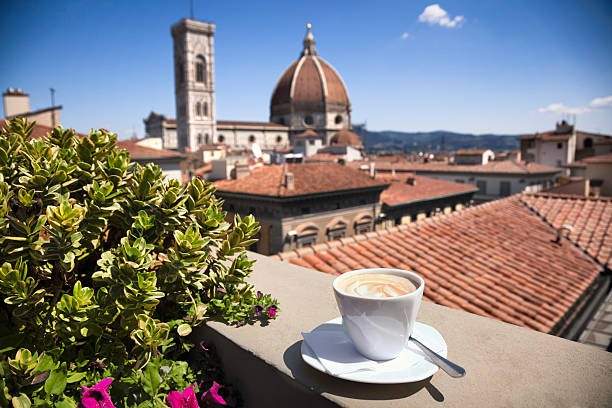
Don’t worry—we’ve got you covered!
This guide to the types of coffee in Italy will tell you everything you need to know about Italian coffee culture, the most popular drinks, and how to order like a true local.
By the end, you’ll be ready to sip your coffee with confidence and savor the flavors of Italy’s beloved coffee traditions.
History of Italian Coffee
Italian coffee is more than a drink—it’s a cornerstone of Italian culture and daily life.
Coffee in Italy is about tradition, connection, and simplicity, following unspoken rules that locals hold dear.
For example, a cappuccino is a morning indulgence, while a quick espresso at the bar is the norm throughout the day.
The act of drinking coffee is social and ritualistic, not rushed or taken to go.
Italy’s long history of coffee began in the 16th century, influenced by trade with the Ottoman Empire, and evolved into a cultural icon with the invention of the espresso machine in the early 20th century.
Italian innovation refined coffee preparation into an art form, creating drinks that prioritize bold flavors, high-quality beans, and the perfect extraction time.
Whether at a coffee bar or enjoying Italian coffee culture at home, every cup tells a story of heritage and craftsmanship.
Italian Coffee Guide: What, When, and How To Order
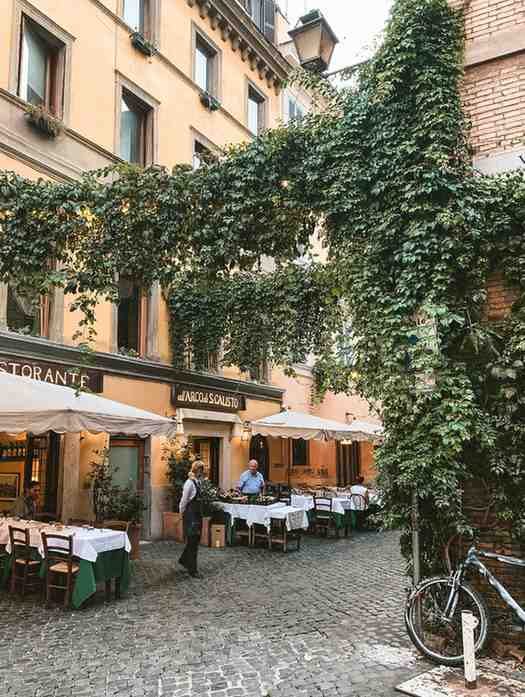
My friend in Italy, Lisa, owns a tabaccheria (a cigarette store) where she’s also a barista. She and I had a conversation about the coffee culture in Italy and shared these tips for this article.
She said that navigating an Italian coffee bar requires understanding the local customs and counter-service etiquette.
Unlike Americans, most Italians drink their coffee standing at the bar, paying first at the cash register before ordering.
Knowing what to ask for is important for travelers. Start with “un caffè” for a standard espresso or explore other options like a caffè macchiato or cappuccino.
The time of the day plays a crucial role in your menu selection.
Americans order cappuccinos and lattes any time of the day, but that is not the case in Italy. Italians enjoy a cappuccino or caffè latte only in the morning, while espresso is a go-to all day.
Italians also avoid milky drinks after meals because it is believed that consuming milk after a meal might make the stomach work harder to digest both the food and the milk. They are taught this from childhood and continue the practice into adulthood. Italians consider milk a breakfast-only indulgence and it should only be consumed in the morning.
Using the right Italian words when ordering shows respect and helps you blend in with locals. She highly recommends learning a few words. Even if you don’t pronounce them correctly, baristas will see and appreciate your effort.
Understanding these small cultural nuances will make your visit more pleasurable so that you can enjoy Italy’s coffee culture like a true Italian.
Different Types of Italian Coffee Drinks
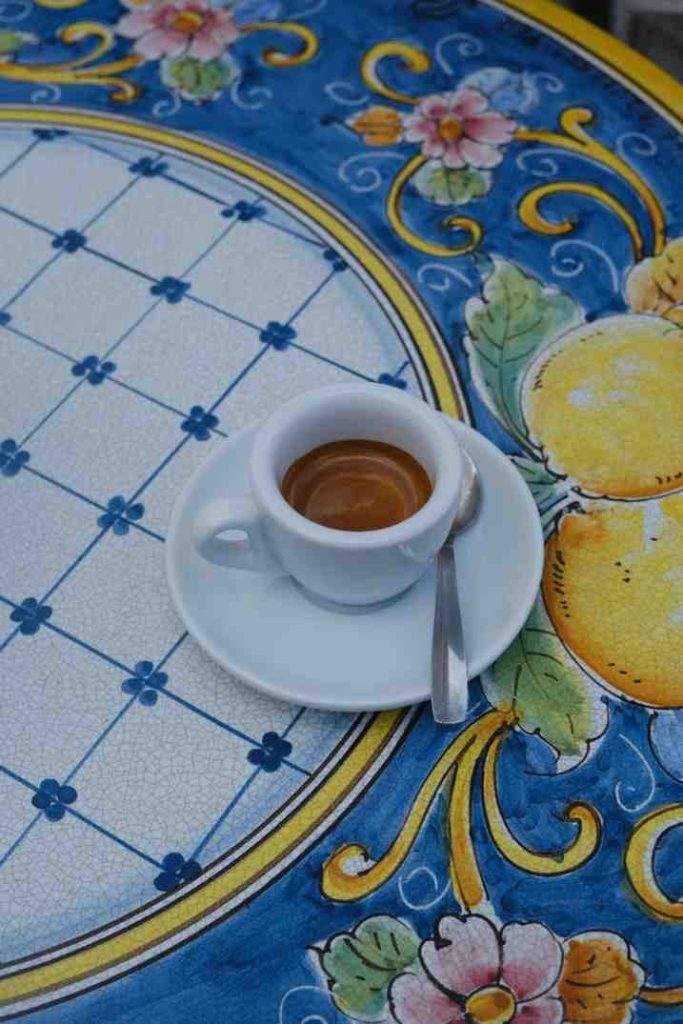
Classic Espresso-Based Coffees
- Caffè (espresso, caffè normale): The quintessential single shot of espresso in a small cup.
- Caffè ristretto: A shorter, intense espresso with less water.
- Caffè lungo: A “long espresso” with more water for a milder flavor.
- Caffè doppio: A double espresso served in a small glass.
Milk-Based Italian Coffees
- Cappuccino: Perfectly crafted with a balance of espresso, milk foam, and hot milk.
- Caffè latte: A milky drink, made with equal parts espresso and hot milk.
- Caffè macchiato: Espresso “stained” with a bit of milk or milk foam.
- Latte macchiato: A tall glass of hot milk, “stained” with an espresso shot.
Dessert-Style and Specialty Coffees
- Caffè Marocchino (espressino): A dessert-like coffee with cocoa powder and milk foam.
- Crema di caffè: A creamy texture reminiscent of ice cream, perfect for a delightful dessert-style coffee.
- Caffè con panna: Espresso topped with a generous dollop of whipped cream.
Unique Alternatives and Coffee Substitutes
- Caffè d’orzo: A barley coffee substitute with no caffeine.
- Ginseng coffee (Caffè al ginseng): Infused with ginseng extract, offering a unique caffeine fix.
- Caffè corretto: Espresso “corrected” with a splash of liquor for an alcoholic twist.
Iced and Cold Coffee Options
- Caffè shakerato: A refreshing shaken iced coffee for the warmer months.
- Caffè freddo: Cold espresso served in a small glass, perfect for hot days.
How to Pair Italian Coffee with Food
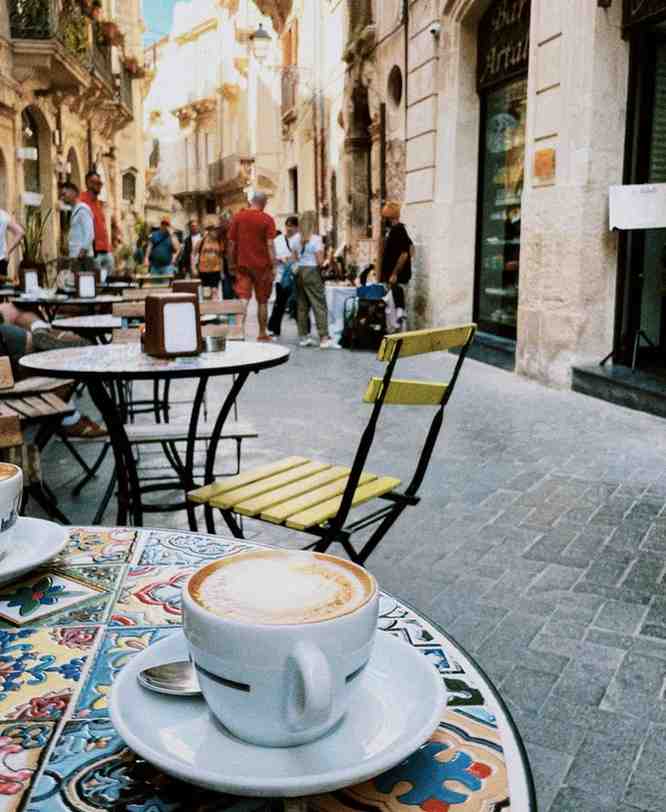
Italians integrate coffee into their meals with thoughtful pairings that enhance both flavors.
For breakfast, a cappuccino or caffè latte is perfectly paired with pastries like cornetti, creating a harmonious start to the day.
Dessert-style coffee drinks, such as caffè shakerato or caffè con panna, complement sweet treats like tiramisu or biscotti, enhancing their rich, indulgent flavors.
For a true Italian experience, explore Italian gastronomy through food tours, where you can enjoy iconic drinks alongside regional delicacies.
When pairing, keep it simple: light coffee drinks for breakfast, bold espresso after meals, and dessert-style coffees for a sweet finish.
These pairings honor Italy’s culinary traditions and let you savor the best of Italian coffee culture with every meal.
The Role of Coffee in Italy’s Popular Destinations
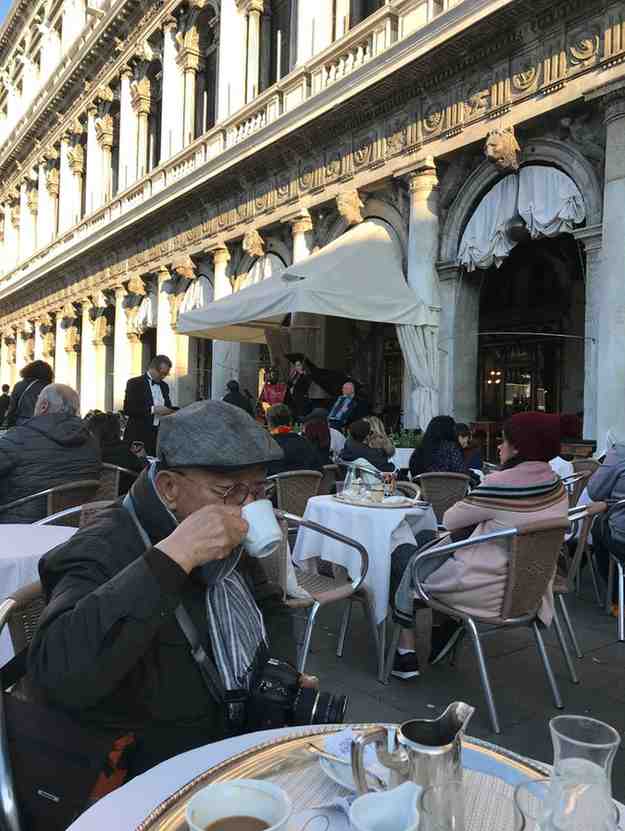
Coffee plays a vital role in Italy’s popular destinations, offering unique experiences in every city.
Regional variations add to the charm, with northern Italy favoring drinks with less water, like caffè ristretto, for a more intense flavor.
Each city offers its own take on the art of coffee, from Rome’s bustling espresso bars to Naples’ bold and robust brews.
Here are some iconic and trendy coffee shops that you should explore when you travel to Italy.
Rome
- Antico Caffè Greco – One of the oldest cafes in Rome, founded in 1760. It’s a historic spot where famous artists and writers have gathered.
- Sant’ Eustachio Il Caffè – This cafe is known for its exceptional coffee quality and has been serving coffee since 1938.
- La Casa del Caffè Tazza d’Oro – Famous for its granita di caffè con panna, which is a refreshing coffee ice with whipped cream.
Milan
- Pasticceria Marchesi – A historic cafe known for its elegant decor and delicious pastries.
- Emporio Armani Caffè – Designed by Giorgio Armani, this cafe offers a sophisticated setting and excellent coffee.
- Orsonero Coffee – A family-run specialty coffee shop offering a variety of single-origin filter coffees.
Florence
- Caffè Gilli – One of the oldest cafes in Florence, established in 1733. It’s a great spot for a traditional Italian coffee experience.
- Caffè Pasticceria Giorgio – This cafe is known for its delicious pastries and excellent coffee and it’s a favorite among locals.
- Caffè Rivoire – Located near the Ponte Vecchio, this historic cafe offers a charming atmosphere and great coffee.
Venice
- Caffè Florian – Located in Saint Mark’s Square, this historic cafe, established in 1720, is the oldest coffeehouse in continuous operation in Italy. It offers an elegant atmosphere and traditional Venetian recipes.
- Caffè del Doge – Near the Rialto Bridge, this cafe has a beautiful view of the Grand Canal and serves excellent coffee.
- Torrefazione Cannaregio – Known for its high-quality coffee and cozy ambiance, this cafe roasts its coffee blends and offers a variety of non-dairy beverages and vegan treats.
For the best experience, seek out the top coffee shops in each destination and embrace the diversity of Italian coffee culture.
Whether savoring an espresso in a small cup or exploring local specialties, coffee becomes more than a drink—it’s a way to connect with Italy’s rich history and vibrant cities.
Making Italian Coffee at Home
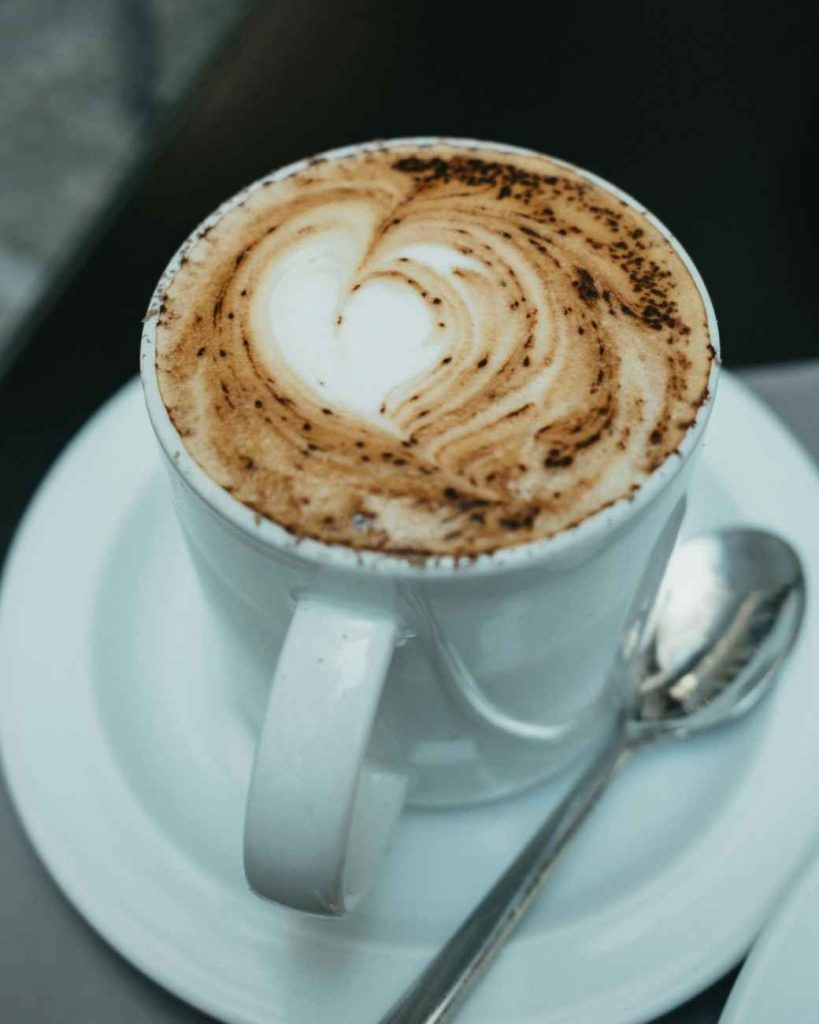
Bringing Italian coffee culture home starts with choosing the right equipment, whether it’s a classic moka pot or a modern espresso machine.
Each tool delivers an authentic experience, but mastering the technique is key.
To achieve good results, always use high-quality coffee beans or fresh ground coffee blends.
The bold, rich flavors of Italian coffee come from the perfect balance of ingredients and preparation.
Pay close attention to the right extraction time and water ratio.
Too much or too little water can impact the flavor, so aim for the ideal balance to recreate that authentic Italian taste.
With practice and care, you can enjoy Italy’s signature coffee drinks right in your kitchen, whether it’s a simple espresso or a frothy cappuccino.
FAQs About Italian Coffee
What is the difference between caffè ristretto and caffè lungo?
How do you make the perfect espresso shot at home?
Why do Italians rarely drink cappuccino after breakfast?
Final Thoughts on Different Types of Coffee in Italy
We hope this comprehensive guide helped you gain deeper insights into Italian coffee culture while covering very detail you might seek in one place.
Italy’s long history of coffee innovation has made it the world’s coffee capital, inspiring a global love of its iconic drinks.
So, indulge in your love of coffee, explore the variety, and bring a little taste of Italy into your daily life. With every cup, you’re participating in a tradition that’s as timeless as the country itself.
Follow our MSN channel for another dose of caffeinated content and subscribe to our monthly newsletters!
