
Skip to content

Subscribe to be the first to learn about an easy new recipe - sign up today!

the perky kitchen logo
  • Coffee Guide
  • Coffee Recipes
  • Coffee Culture
  • AboutExpand
    • Contact
    • Work With Me
the perky kitchen logo
The Perky Kitchen

13 Methods for Brewing Coffee at Home Like a Barista

ByTanya April 15, 2025April 16, 2025 Last Updated:April 16, 2025
Home / Coffee Basics / 13 Methods for Brewing Coffee at Home Like a Barista

The Perky Kitchen contains affiliate links and is a member of the Amazon Services LLC Associates Program. If you use them to make a purchase, we earn a small commission at no additional cost to you (to cover administrative expenses).
(Full Disclosure)


Searching for the best methods for brewing coffee at home but feeling overwhelmed by all the options?

Youโ€™re not alone.

French press to pour-over? Figuring it out is a balance of knowing what brew method suits your taste, time, and tools.

As a longtime coffee enthusiast whoโ€™s tested everything from basic drip machines to slow-bar techniques during my travels, Iโ€™m here to help fellow coffee lovers find the brewing style that fits just right.

This post is for a curious beginner or a daily caffeine connoisseur, and this guide breaks it all down without the jargon.

Keep reading to discover simple, flavorful ways to upgrade your at-home coffee game, one delicious cup at a time.
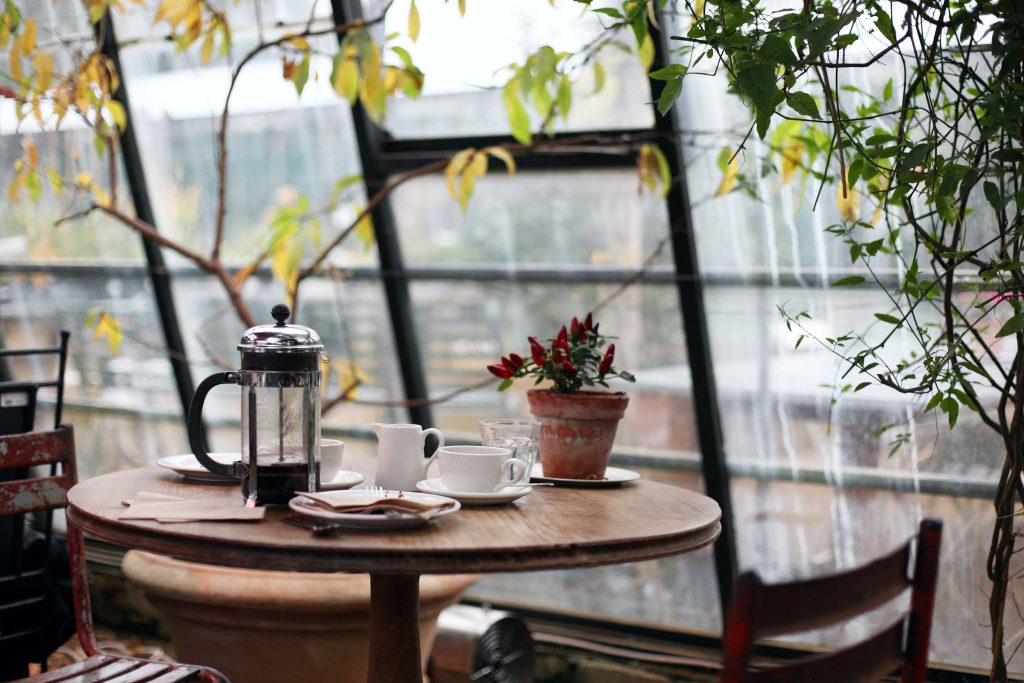
coffee press on table by the window
Photo byย Kris Atomicย 

Table of Contents

Toggle
  • Why Brew Coffee at Home
    • Cost Savings
    • Time-Saving Convenience
    • Customization and Experimentation
    • Quality and Freshness
    • Learning and Appreciation
  • Methods of Brewing Coffee
    • 1. Drip Coffee
    • 2. French Press
    • 3. Pour Over
    • 4. Aeropress
    • 5. Cold Brew
    • 6. Espresso Machines
    • 7. Moka Pot
    • 8. Single-Cup Coffee Makers
    • 9. Chemex
    • 10. Turkish Coffee
    • 11. Siphon Brewing
    • 12. Percolator
    • 13. Vietnamese Phin
  • Final Thoughts on Methods of Brewing Coffee

Why Brew Coffee at Home

Brewing coffee at home has several advantages. And with technologically advanced coffee makers, you can program your brew to be ready for you as soon as you step into your kitchen.

Here are some of the best reasons to brew coffee at home.

Cost Savings

Brewing coffee at home can save you a significant amount of money in the long run.

The cost of a cup of coffee from a cafรฉ or coffee shop can quickly add up, whereas brewing your own coffee allows you to enjoy the same quality for a fraction of the price.

Time-Saving Convenience

Brewing coffee at home gives you the convenience of having a fresh cup of coffee whenever you want, without leaving home or waiting in line. It saves time, especially during busy mornings when every minute counts.

Customization and Experimentation

When you brew coffee at home, you have complete control over the brewing process, allowing you to customize it to your taste preferences.

You can choose the type of beans, the grind size, and the brewing method, and you can even experiment with different ratios and techniques to create your perfect cup of coffee.

Quality and Freshness

By brewing coffee at home, you ensure that you’re using freshly roasted beans and brewing it at the peak of its flavor.

Coffee beans start to lose their freshness shortly after being roasted, and pre-ground coffee can quickly become stale.

Brewing at home allows you to enjoy the fullest flavors and aromas that coffee has to offer.

Learning and Appreciation

Brewing coffee at home provides an opportunity to delve into the world of coffee and learn about different brewing methods, coffee origins, and flavor profiles.

It can be a journey of exploration and appreciation, where you can develop your palate and discover the nuances of various coffee beans and brewing techniques.

Recommended Reading:

How to Make Cafรฉ con Leche
Italian Affogato Recipe

Try our fun coffee quiz to find your brew match!

Methods of Brewing Coffee

If you’re a coffee lover, you might be interested in exploring different methods of brewing coffee at home. Here are some popular ways to brew coffee.
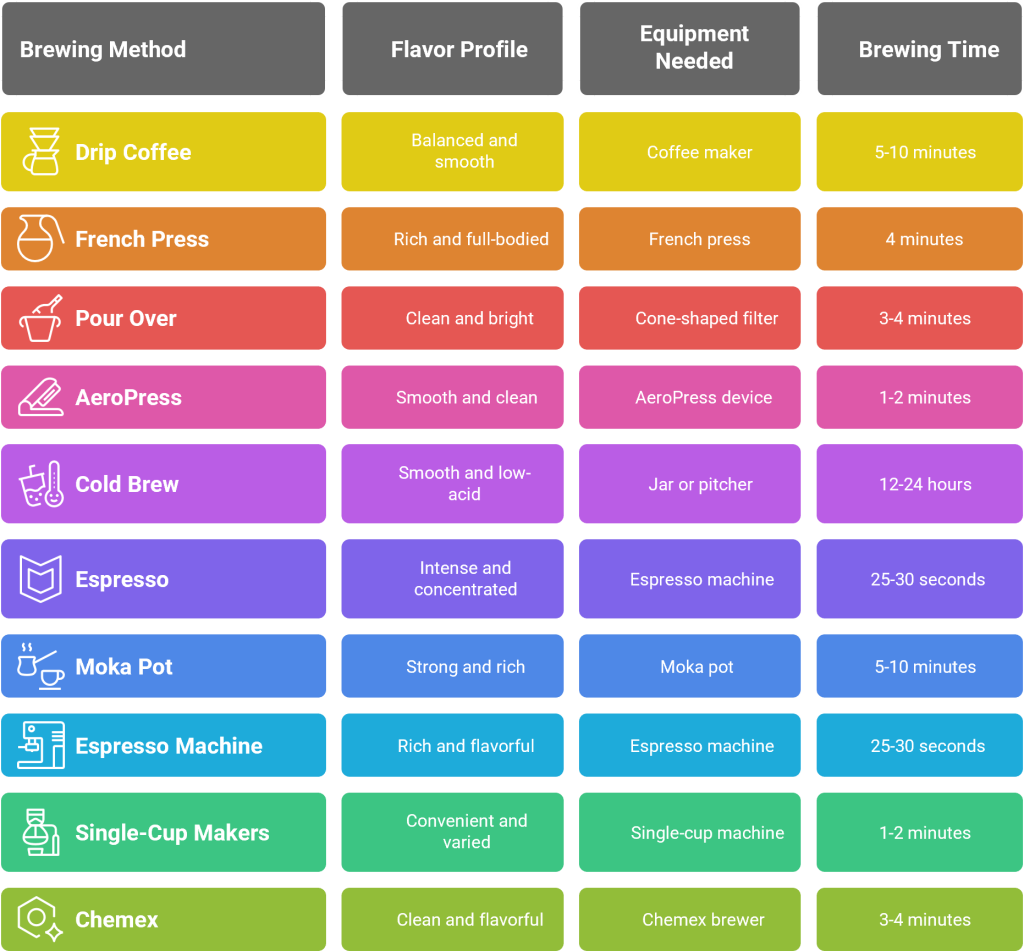
Brew Method Cheat Sheet

1. Drip Coffee

This is one of the most popular methods of brewing coffee at home.

It involves pouring hot water over ground coffee beans using a filter, allowing the water to pass through the coffee and filter into a carafe.

Beginners, busy mornings, everyday convenience

Grind: Medium (like sea salt)
Coffee-to-Water Ratio: 1 to 2 tablespoons of ground coffee per 6 ounces of water (Adjust based on tasteโ€”start with 1ยฝ tablespoons for a balanced brew)

  1. Add Water
    • Fill the machineโ€™s reservoir with fresh, cold water. Use the carafeโ€™s measurement lines as a guideโ€”typically, one cup on the carafe equals 6 ounces.
  2. Measure and Add Coffee Grounds
    • For every cup of water, scoop 1ยฝ tablespoons of ground coffee into a coffee filter in the brew basket.
  3. Insert the Filter
    • Use a paper or reusable filter, making sure it fits properly in the brew basket.
  4. Start Brewing
    • Close the lid and press the brew button. The machine will heat the water and drip it through the coffee grounds.
  5. Serve and Enjoy:
    • Once the brew cycle is complete, pour yourself a cup and enjoy! Discard the used filter and rinse the basket for easy cleanup.

2. French Press

Also known as a press pot or plunger pot, the French press method involves steeping coarse ground coffee in hot water and then pressing a plunger down to separate the coffee grounds from the liquid.

Bold flavor lovers, weekend mornings, minimal effort

Grind: Coarse (like breadcrumbs)
Coffee-to-Water Ratio: 2 tablespoons of coffee for every 6 ounces of water

  1. Boil Water
    • Heat water until it just begins to boil, then let it sit for 30 seconds to cool slightly.
  2. Add Coffee to the Press
    • Scoop 4 tablespoons of coarse coffee into a standard 12-ounce French press.
  3. Pour Water
    • Slowly pour 12 ounces of hot water over the grounds, making sure all are saturated.
  4. Stir
    • Gently stir the mixture with a wooden spoon or stir stick.
  5. Steep
    • Place the lid on the press (but donโ€™t plunge yet). Let steep for 4 minutes.
  6. Press and Serve
    • Slowly press the plunger down, pour, and enjoy a rich, full-bodied brew.

3. Pour Over

This method involves pouring hot water over ground coffee beans that are held in a cone-shaped filter.

The water drips through the filter and into a carafe or cup.

Clean flavor, control freaks (in a good way), coffee purists.

Grind: Medium-fine (like table salt)
Coffee-to-Water Ratio: 1ยฝ tablespoons per 6 ounces of water

  1. Boil and Cool Water
    • Bring water to a boil and let it cool for about 30 seconds.
  2. Place Filter
    • Insert a paper filter in the pour-over dripper and rinse it with hot water to eliminate paper taste and preheat the brewer.
  3. Add Coffee
    • Add 3 tablespoons of ground coffee for a 12-ounce cup.
  4. Bloom
    • Pour just enough hot water to saturate the grounds (about ยผ cup), then wait 30 seconds.
  5. Pour in Circles
    • Slowly pour the remaining hot water in a circular motion, keeping the water level consistent.
  6. Wait and Enjoy
    • Let it drip completely, then sip and savor the bright flavors.

4. Aeropress

This method involves using a device that looks like a large syringe to press hot water through ground coffee and a paper filter, resulting in a clean and smooth cup of coffee.

Quick brewing, strong coffee, compact spaces

Grind: Fine (just slightly coarser than espresso)
Coffee-to-Water Ratio: 2 tablespoons of coffee for about 6 ounces of water

  1. Prepare the Press
    • Place a paper filter in the cap and rinse with hot water. Assemble the AeroPress over your mug.
  2. Add Coffee
    • Add 2 tablespoons of fine coffee to the chamber.
  3. Add Water
    • Pour hot water up to the “2” line (about 6 ounces).
  4. Stir
    • Stir for about 10 seconds using the included stirrer or a spoon.
  5. Press
    • Insert the plunger and slowly press down until you hear a hissing sound.
  6. Clean & Sip
    • Unscrew the cap, push out the puck, rinse, and enjoy your smooth brew.

5. Cold Brew

Cold brewing involves steeping coffee grounds in cold water for an extended period, usually 12-24 hours.

The result is a smooth, low-acidic coffee concentrate that can be diluted with water or milk.

Hot summers, low-acid coffee, make-ahead convenience

Grind: Coarse
Coffee-to-Water Ratio: 1 cup of coffee grounds to 4 cups of cold water

  1. Combine
    • Mix 1 cup of coarse coffee grounds with 4 cups of cold or room-temperature water in a jar or pitcher.
  2. Stir and Steep
    • Stir, cover, and let sit in the fridge for 12 to 24 hours.
  3. Strain
    • Use a fine mesh strainer, cheesecloth, or coffee filter to strain the coffee into a clean container.
  4. Serve
    • Mix with water or milk at a 1:1 ratio. Serve over ice.
  5. Store
    • Keeps in the fridge for up to a week.

6. Espresso Machines

This is a popular method of brewing coffee that produces a concentrated shot of coffee.

It uses high-pressure steam to force hot water through finely ground coffee beans, resulting in a rich and flavorful cup of coffee.

Espresso machines come in different sizes and price ranges, from basic models to high-end machines that allow you to create latte art.

Intense flavor, espresso drinks (like lattes & cappuccinos)

Grind: Very fine (like powdered sugar)
Coffee-to-Water Ratio: 1 tablespoon of ground coffee per 1-ounce shot

  1. Preheat Machine
    • Turn on your espresso machine to warm up.
  2. Add Coffee to Portafilter
    • Fill the portafilter with 1 tablespoon of finely ground coffee, tamp firmly.
  3. Brew
    • Lock in the portafilter and start brewing. A single shot takes about 25โ€“30 seconds.
  4. Serve
    • Drink as-is or use in other drinks like lattes, cappuccinos, or affogatos.

7. Moka Pot

Also known as a stovetop espresso maker, this is a traditional Italian coffee brewing method. It uses steam pressure to brew coffee and produces a strong and rich cup of coffee.

To use a Moka pot, add water to the bottom chamber, add coffee grounds to the middle chamber, and heat it on the stove.

Strong, espresso-style coffee on the stove

Grind: Fine (but not espresso-fine)
Coffee-to-Water Ratio: Fill filter basket with ground coffee, level but donโ€™t tamp

  1. Fill Water Chamber
    • Fill the bottom chamber of the Moka pot with water up to the safety valve.
  2. Add Coffee
    • Add coffee grounds to the filter basket and level off.
  3. Assemble and Heat
    • Screw on the top, place the pot on the stove over medium heat.
  4. Wait for Gurgle
    • Coffee will start bubbling up into the top chamberโ€”when you hear a gurgle, itโ€™s done.
  5. Serve
    • Pour and enjoy your strong, stovetop brew.

8. Single-Cup Coffee Makers

Perfect for those who want to brew a single cup of coffee, this method is great for those who don’t want to brew an entire pot.

These machines use pre-packaged coffee pods or capsules to make a single cup of coffee, making them convenient and easy to use.

Convenience, quick brewing, minimal cleanup

Grind: Pre-ground (pod or capsule)

  1. Prepare the machine
    • Insert a coffee pod or capsule into the machine’s designated pod holder.
  2. Add water
    • Fill the water reservoir according to the machine’s instructions. Typically, itโ€™s one cup of water per pod.
  3. Brew
    • Close the lid and press the brew button. The machine will puncture the pod and force hot water through it to extract the coffee.
  4. Serve
    • Once the coffee is brewed, pour it into your mug and enjoy.
  5. Clean
    • Remove the used pod and discard it. Many single-serve machines have an automatic cleaning cycle.

9. Chemex

The Chemex is a pour-over coffee maker that uses a special glass flask and a paper filter to brew coffee.

It produces a clean and flavorful cup of coffee that is perfect for those who prefer a lighter roast. To use a Chemex, place a paper filter in the top of the flask, add coffee grounds, and slowly pour hot water over the grounds.

Bright, clean flavors; stylish coffee setup

Grind: Medium-coarse
Coffee-to-Water Ratio: 2ยฝ tablespoons of coffee per 8 ounces of water

  1. Place Filter
    • Insert a Chemex filter, thick side facing the spout, and rinse with hot water.
  2. Add Coffee
    • Add 5 tablespoons of ground coffee for a 16-ounce brew.
  3. Bloom
    • Pour a small amount of water (about ยผ cup) over the grounds and let sit 30โ€“45 seconds.
  4. Pour Water Slowly
    • In a circular motion, slowly pour the rest of the water. Total time: ~4 minutes.
  5. Remove Filter
    • Once the dripping stops, discard the filter and enjoy a smooth, balanced cup.

10. Turkish Coffee

Rich, traditional coffee lovers, those who enjoy a strong, bold flavor

Grind: Extra fine (powder-like)
Ratio: 1 tablespoon of coffee per 3 ounces of water

  1. Prepare the pot (Cezve)
    • Use a traditional Turkish coffee pot. Add 3 ounces of cold water for every cup of coffee you want to make.
  2. Add coffee and sugar (optional)
    • For each cup (3 ounces of water), add 1 tablespoon of finely ground Turkish coffee. If desired, add sugar to taste (1 teaspoon for medium sweetness, 2 teaspoons for sweet).
  3. Stir and heat
    • Stir the coffee and sugar until dissolved, then place the cezve over low heat.
  4. Watch for foam
    • As the coffee heats up, it will foam. When the foam begins to rise, remove the cezve from heat.
  5. Return to heat
    • Let it settle, then return the cezve to heat. Repeat the rising and settling process 2-3 times to build the foam.
  6. Serve
    • Pour the coffee into small cups, making sure to leave the grounds behind. Turkish coffee is traditionally served with a glass of water.

11. Siphon Brewing

Coffee aficionados who enjoy theatrical brewing, clarity in flavor

Grind: Medium-fine (similar to table salt)
Ratio: 1 tablespoon of coffee per 4 ounces of water

  1. Prepare the siphon
    • Fill the lower chamber with water up to the marked line (about 4 ounces for a small brew).
  2. Add coffee
    • Place the filter in the top chamber and add 1 tablespoon of medium-fine coffee for every 4 ounces of water.
  3. Assemble the siphon
    • Attach the top chamber to the bottom chamber securely.
  4. Heat the water
    • Turn on the burner to heat the water in the bottom chamber. As the water heats up, it will rise into the top chamber through the siphon tube.
  5. Brewing
    • Once the water has fully moved to the top chamber, stir the coffee gently to ensure even extraction. Allow the coffee to brew for about 1-2 minutes.
  6. Finishing
    • Turn off the heat. As the coffee cools, it will be drawn back into the bottom chamber.
  7. Serve
    • Once all the liquid has returned to the bottom chamber, remove the top chamber and serve the brewed coffee from the bottom chamber.

12. Percolator

Coffee lovers who enjoy a strong, full-bodied brew and donโ€™t mind a bit more brewing time

Grind: Coarse (similar to sea salt)
Ratio: 1 tablespoon of coffee per 6 ounces of water

  1. Prepare the percolator
    • Fill the bottom chamber of the percolator with cold water. The amount of water you add will depend on how many cups of coffee you want to make. For each cup, use about 6 ounces of water.
  2. Add coffee grounds
    • Place the percolatorโ€™s filter basket on top of the stem in the upper chamber. Add 1 tablespoon of coarse ground coffee per 6 ounces of water to the filter basket. Adjust the amount based on how strong you like your coffee.
  3. Assemble the percolator
    • Once the coffee grounds are in place, attach the top part of the percolator securely.
  4. Heat the percolator
    • Place the percolator on the stove over medium heat or plug in the electric percolator.
  5. Brew
    • Allow the water to heat and percolate. As the water boils, it will rise up the stem, mix with the coffee grounds, and then drip back down into the bottom chamber. The process will repeat, extracting coffee from the grounds.
  6. Monitor brewing
    • Keep an eye on the percolator, and once you hear a consistent bubbling sound (usually after about 5-10 minutes), check the coffee’s strength. The longer it percolates, the stronger the coffee will be.
  7. Serve
    • Once youโ€™ve reached your desired strength, remove the percolator from heat. Carefully remove the filter and pour the brewed coffee into your mug.
  8. Clean
    • Discard the used coffee grounds and wash the percolator.

13. Vietnamese Phin

Coffee lovers who want a strong, flavorful brew with a slow extraction process

Grind: Medium (similar to table salt)
Ratio: 1 tablespoon of coffee per 3 ounces of water

  1. Set up the Phin filter
    • Place the Phin filter directly on top of your coffee cup or glass. This is a metal filter that looks like a small cup with a lid and a perforated bottom.
  2. Add coffee grounds
    • Put 1 tablespoon of finely ground coffee into the filter. Gently shake it to level the grounds. Press them down lightly with the filterโ€™s press to create an even layer.
  3. Add hot water
    • Pour a small amount of hot water (about 1 ounce) over the grounds to let them “bloom” (this releases carbon dioxide from the coffee, ensuring a better brew). Wait about 30 seconds for this process.
  4. Pour remaining water
    • Slowly pour the rest of the hot water into the Phin filter. Be careful not to overfill. The Phin will take about 4-5 minutes to brew the coffee, depending on the amount of water used.
  5. Wait for extraction
    • The water will drip slowly through the coffee grounds into the cup. The extraction process can take several minutes, so be patient as the strong coffee is filtered into your mug.
  6. Stir and enjoy
    • Once the brewing is complete, stir the coffee to mix the layers (you can add condensed milk if you want a traditional Vietnamese iced coffee). Enjoy your strong and rich cup of coffee!

Final Thoughts on Methods of Brewing Coffee

There are many other methods of brewing coffee at home, and each produces a unique flavor profile and brewing experience.

Instant coffee is also an option for those looking for a quick, convenient coffee fix without any equipment. However, it is pre-brewed, dried, and needs hot water. That’s kind of hard to mess up!

In conclusion, it’s worth experimenting with each method to find your favorite. Tell me which one you love most!


Follow our MSN channel for another dose of caffeinated content, and subscribe to the Perky Press newsletter!

Tanya

Tanya Taylor is a certified barista, coffee lover, and the creator of The Perky Kitchen. Sheโ€™s traveled to seven countries exploring coffee cultureโ€”meeting farmers, touring roasteries, and learning the journey from bean to brew. With hands-on barista training and a passion for baking, Tanya creates coffee-infused treats that celebrate the bold, complex flavors of her favorite brews.

Facebook X
woman smiling with mirror glasses

Hey, I'm Tanya!

I specialize in transforming your daily brew into tasty culinary creations. more about me ยป


Follow our MSN channel for caffeinated content, and subscribe to the monthly newsletters!


Top Articles

5 Best Strong K-Cup Coffees to Boost Your Morning

Hamilton Beach Flexbrew vs Keurig Duo โ€“ Who Reigns Supreme?

9 Best Italian Coffee Machine Brands for Espresso


Tags

Coffee Basics Coffee Cakes Coffee Desserts Coffee Drinks Culture & Travel Fun & Inspiration Gifts & Accessories Home Tips


Tired of scattered to-do lists and forgotten priorities? 

Join our newsletter to receive a FREE coffee-themed planner that will help turn your daily chaos into organized bliss. With dedicated spaces for your morning brew notes and daily goals, you'll stay motivated and caffeinated all week long.

Marketing Permissions (GDPR-Compliant)

The information you provide on this form will only be used to provide you with updates and personalized marketing. 

I agree to receive marketing emails, including newsletters and special offers.

By clicking below to submit this form, you acknowledge that the information you provide will be processed in accordance with our Privacy Policy.

Thank you!  Please check your inbox and spam folder for an email from us.

  • Coffee Guide
  • Coffee Recipes
  • Coffee Culture
  • About

Disclaimer | Privacy Policy | Terms

© 2026 The Perky Kitchen

Facebook Twitter Instagram

P.O. Box 8491, Chicago, IL 60680

Scroll to top
  • Coffee Guide
  • Coffee Recipes
  • Coffee Culture
  • About
    • Contact
    • Work With Me
Search